The events that stick in people's memory are rarely the ones with the biggest budget. They are the ones where guests did something, not just watched something. Turning a passive audience into an active one is the single biggest lever an event planner has.
Here is a practical set of ideas, grouped by what they are actually good for, plus which format suits which kind of event.
Break the ice properly
The first ten minutes set the tone for everything after. A few reliable options:
- Throw and tell. A ball with pre-written prompts. Whoever catches it answers. Simple, fast, and it gets people talking immediately.
- Live polling. Real-time audience polls on a relevant topic, doubling as an icebreaker and a useful read on the room.
- Story circles. Short anecdotes tied to the event's theme, told in small groups rather than to the whole room.
People loosen up fastest when the first activity is low-stakes and social, not a test of anything.
Add a little competition
Gamification works because most people respond to a bit of friendly pressure:
- Trivia sessions built around your event or industry, which double as conversation starters between rounds.
- Minute-to-win-it style challenges for a short, high-energy burst between sessions.
- Themed bingo cards, tied to speakers or activities through the day.
Give people something to build together
Collaborative activities create a different kind of connection than competition does, and they tend to be what people remember longest:
- Workshop sessions, where a group makes or solves something together rather than sitting through a presentation.
- Problem-solving challenges, where small teams pitch a plan or a prototype against a brief.
- Interactive art installations that only become finished once guests have contributed to them.
Make room for real conversation
Networking is often the actual reason people come, even when it is not the headline reason on the invitation:
- Speed networking, structured rotations that force a conversation to actually start.
- Round table discussions, small groups working through a specific question rather than open mingling.
Both formats solve the same problem: a room full of strangers rarely network well on its own. Structure helps.
Match the idea to the event
Not every format suits every room. As a rough guide:
- Conferences: open with an icebreaker, use a workshop session mid-day to reset energy, close with light trivia.
- Product launches: demo-style interaction (letting people try the product) plus a live poll to crowdsource reactions.
- Workplace training: collaborative workshops paced with short energisers to prevent fatigue.
The short version
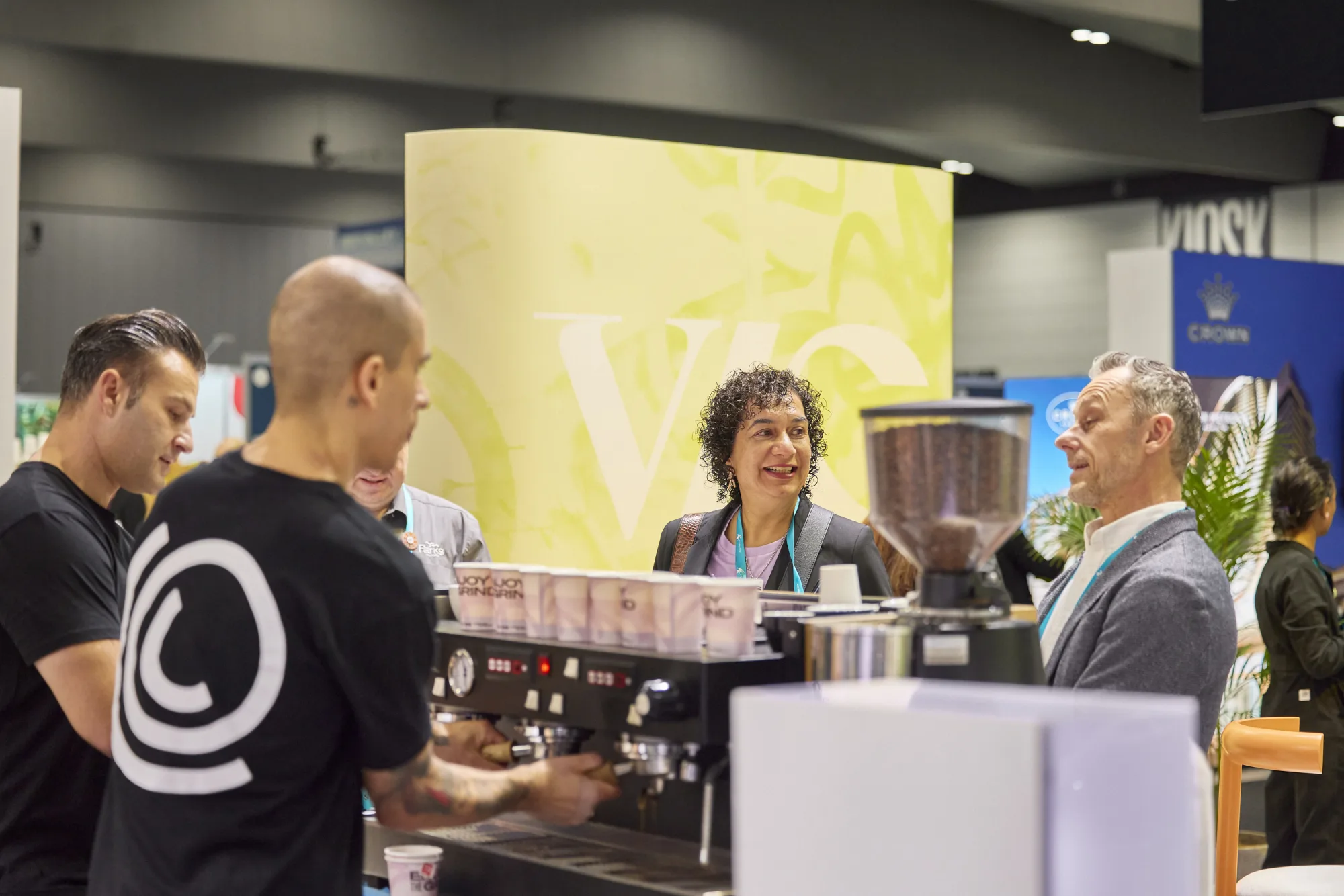
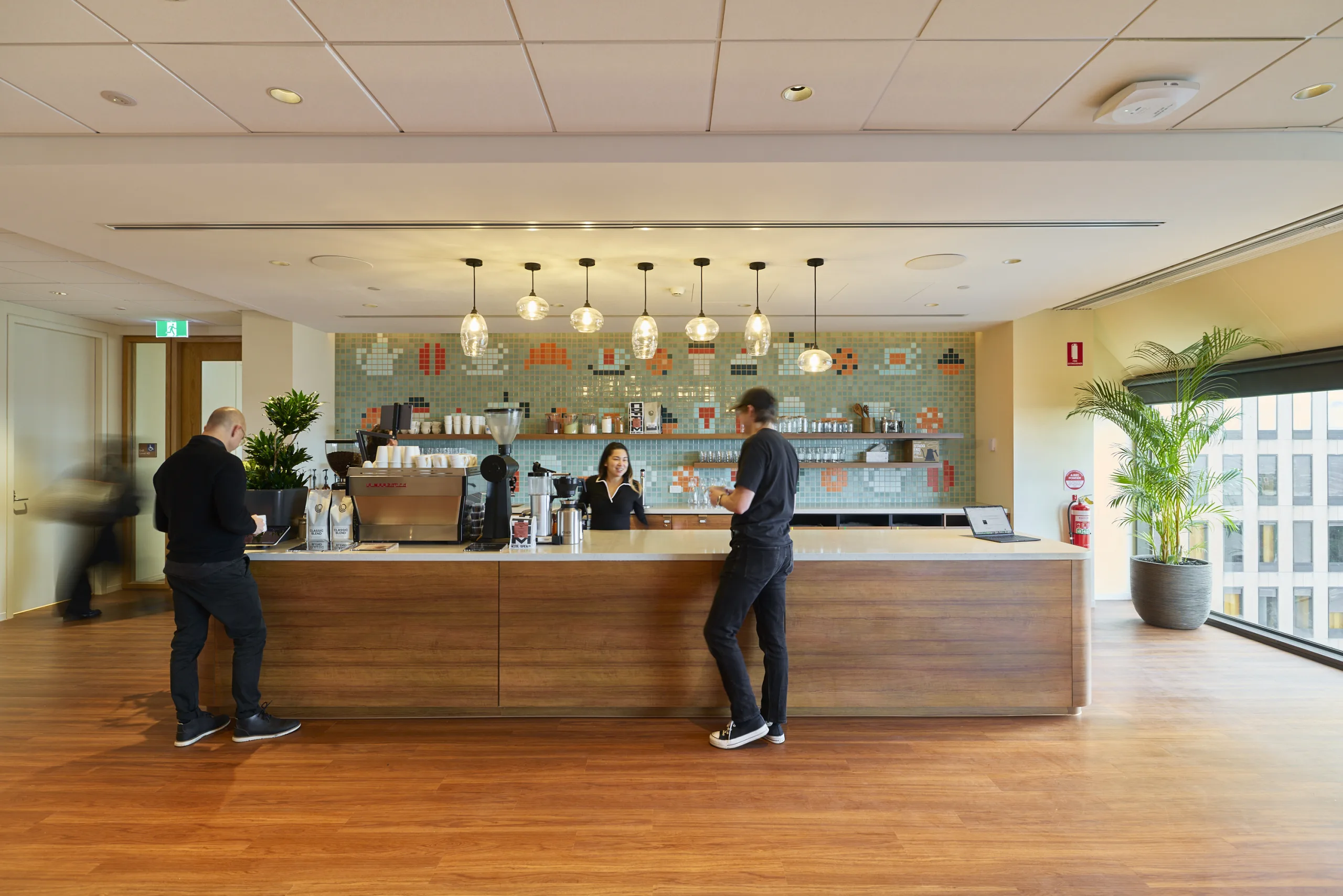
Pick one or two ideas that fit your audience and your goal, rather than stacking five and diluting all of them. And when people are moving between activities, give them somewhere to pause. A well-placed coffee cart does exactly that: it slows people down just long enough for the conversation that makes the event worth remembering.