Professional coffee grading includes a step most home brewers never think about: physically inspecting beans for defects before they're ever roasted or brewed. It's not pedantry. A small number of genuinely defective beans can noticeably drag down the flavour of an otherwise good batch, disproportionate to how few of them there might be.
What actually counts as a defect
Black beans, often from over-fermentation or disease, contribute a harsh bitterness that stands out against the rest of the cup. Insect- damaged beans carry earthy, musty off-flavours from the damage itself. Quakers, underdeveloped beans that didn't ripen properly on the plant, taste sour and grassy, and tend to roast lighter than the rest of the batch since they behave differently under heat. Fungal-contaminated beans bring a distinct musty character that's hard to miss once you know what you're tasting for.
Doing a version of this at home
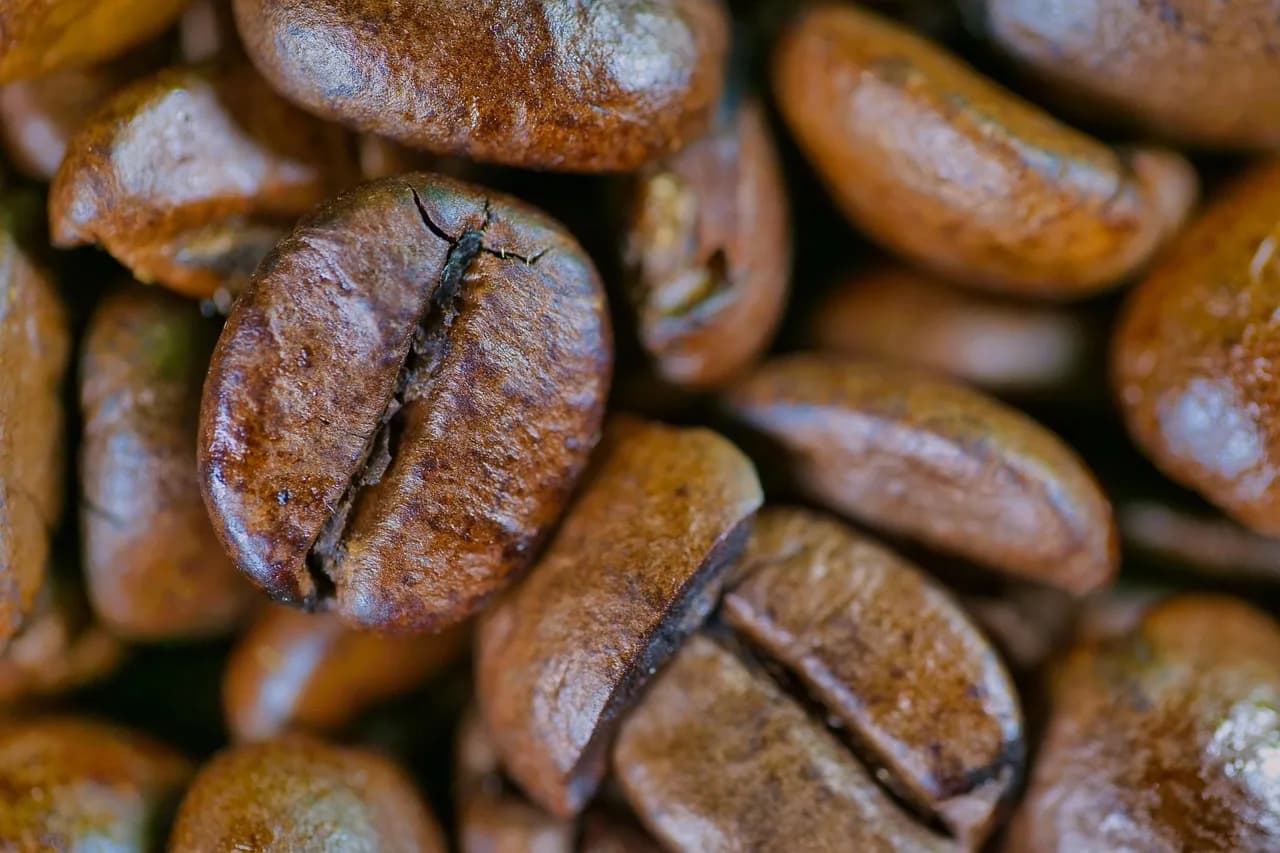
You don't need laboratory equipment to catch the most obvious defects. Spread a small sample of green or roasted beans out under good light and look for beans that are visibly darker, oddly shaped, or show surface damage compared to the rest of the batch. A jeweller's loupe, a cheap and widely available magnifier, makes this meaningfully easier and helps you catch defects that are hard to spot at normal viewing distance. A smartphone macro lens attachment works as an even more accessible option if you already own one.
What to actually do once you've spotted them
Pull the visibly defective beans out before grinding. It's a small, tedious step, but for a batch you're already treating carefully, it's a genuine way to improve the cup without changing anything about your brewing technique. This matters most for beans you're already treating as special, a small-batch single origin you paid a premium for is exactly the kind of coffee where a few minutes of sorting pays off.
The takeaway
Bean sorting isn't something most home brewers need to do for every bag. But understanding what defects look like, and doing a quick visual pass on coffee you're brewing carefully, is a real, low-effort way to close the gap between what you're tasting and what the beans were actually capable of.