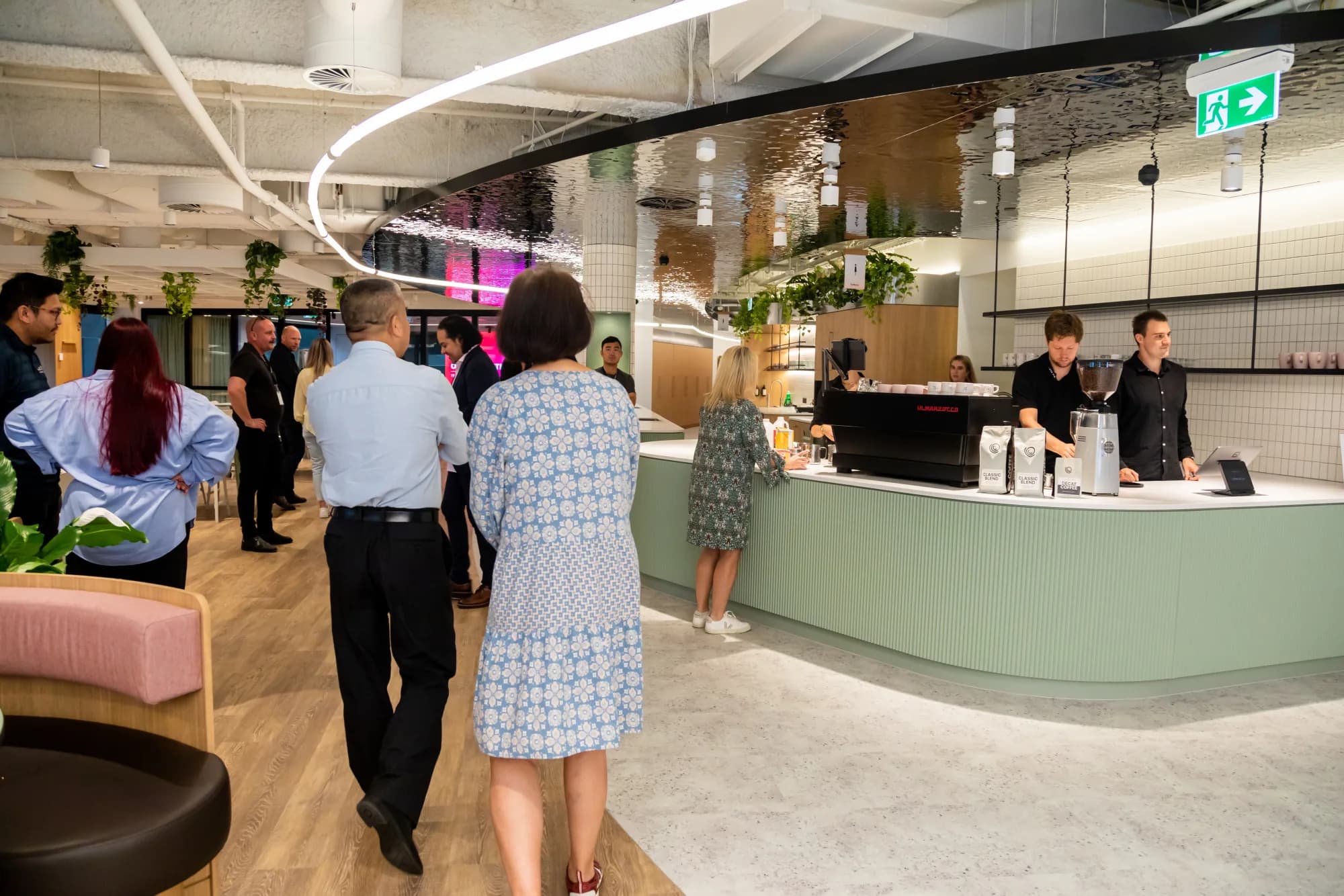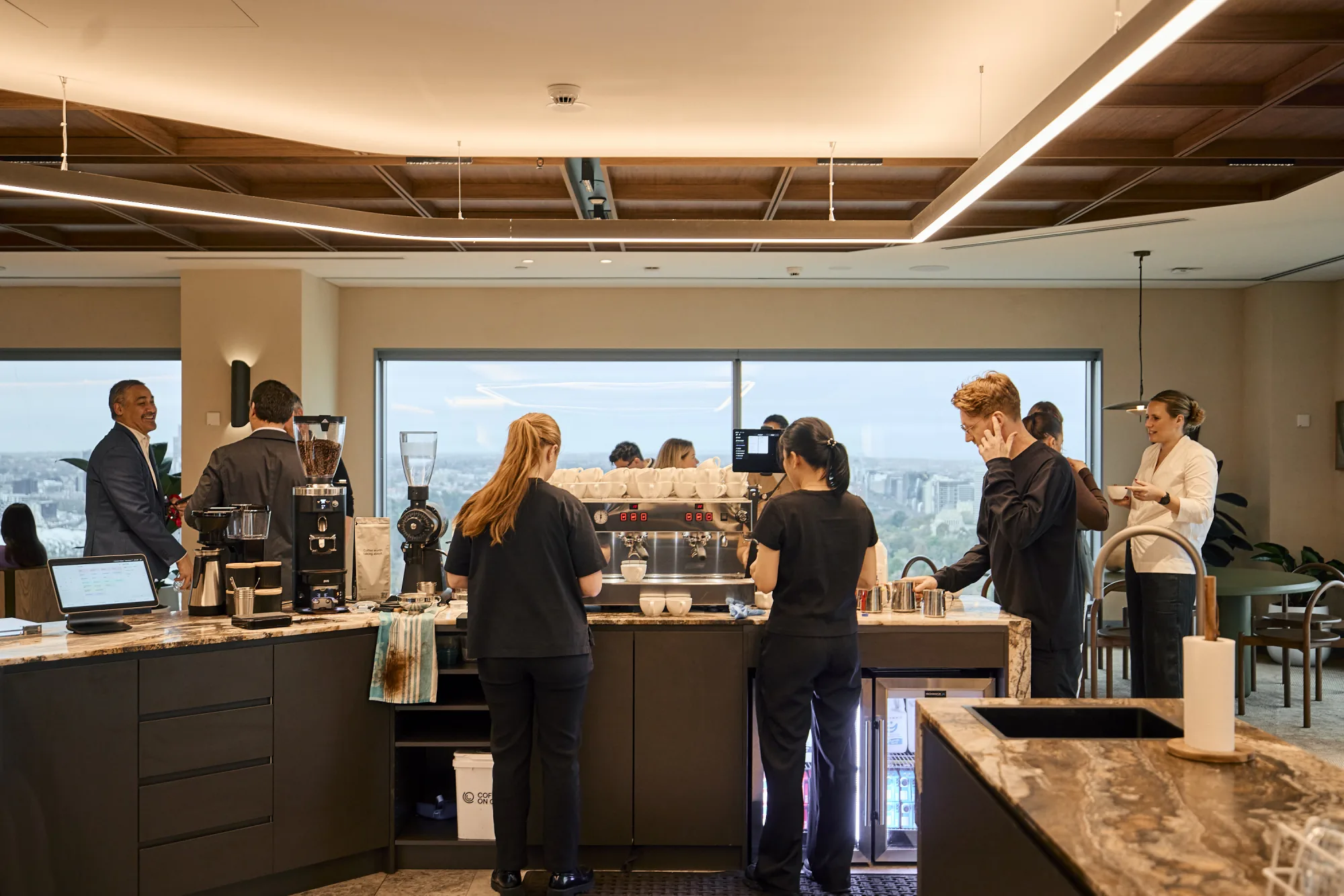
Walk into most modern offices and you will find people at very different points in their working life sharing the same kitchen. Someone who has been with the business twenty years and someone three months out of university are both queuing at the same machine, and they are not always after the same thing. One of the quieter mistakes a workplace coffee program makes is assuming everyone wants what the loudest group in the office wants.
We set up in-house barista bars for teams across every age bracket, and the pattern is consistent: variety beats uniformity every time.
Nobody wants to be the exception
A single, fixed menu works fine right up until someone does not drink dairy, does not want caffeine after lunch, or simply prefers their coffee made a particular way. Multiply that across a team of fifty or a hundred people and a narrow menu quietly excludes a real slice of the office, every single day. The fix is not complicated: offer a genuine range and let people choose.
What a genuinely inclusive bar covers
A workplace coffee setup that actually serves everyone tends to cover a handful of bases:
- The classics, done well. Flat whites, lattes, cappuccinos and long blacks, made properly rather than as an afterthought
- A real decaf and a real non-dairy option, not a token one hidden at the bottom of the menu
- Something quick for the person in a hurry, alongside something worth lingering over for the person who wants a chat
- Consistency day to day. People build habits around their coffee order, and a bar that changes quality or availability breaks that trust fast
Coffee is still social infrastructure
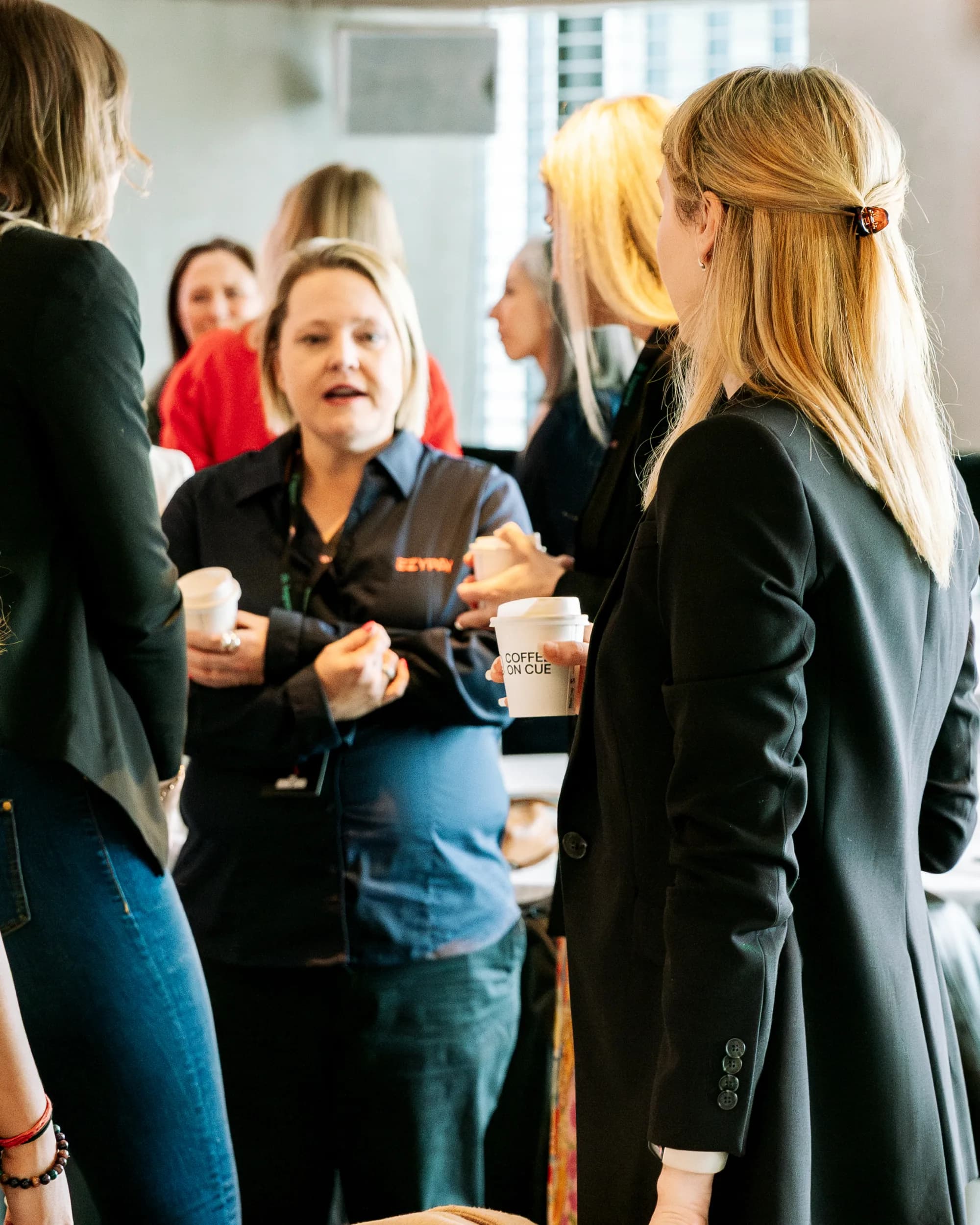
Whatever generation someone belongs to, the coffee area tends to be one of the only spots in an office where people from different teams end up standing next to each other with nothing urgent to do. That is worth protecting deliberately: a comfortable spot to linger, not just a tap and go station squeezed into a corridor.
A program, not a machine
The teams that get the most out of workplace coffee treat it as an ongoing program rather than a one-off equipment purchase. That means checking in on what is actually being ordered, adjusting the menu as the team changes, and treating the bar as part of the culture rather than a fixture that gets installed once and forgotten. A coffee station that fits the whole office, not just part of it, is one of the simplest ways to make everyone feel equally looked after.