Salary opens the door, but it rarely closes it anymore. Candidates weighing two similar offers increasingly decide based on the benefits package, and what a company does or does not offer says something real about how it treats the people already there. Getting this right matters for hiring, and it matters just as much for keeping the people you already have.
Start with what actually appeals
The benefits candidates value most tend to be substantive rather than decorative: private health insurance contributions, superannuation above the mandatory minimum, genuine flexibility over where and when work happens, paid parental leave, and real mental health support. Professional development and additional leave options round these out. None of these are exotic, but together they signal a company that has thought seriously about what people actually need.
Build the package around your own workforce
The best benefits packages are surveyed, not guessed. Ask your team what they would actually value before assuming you know. Stay current, hybrid and remote options are now closer to standard than exception, and keep the package inclusive of the different life stages and needs across your team rather than designed around a single typical employee.
Favour substance over gimmicks
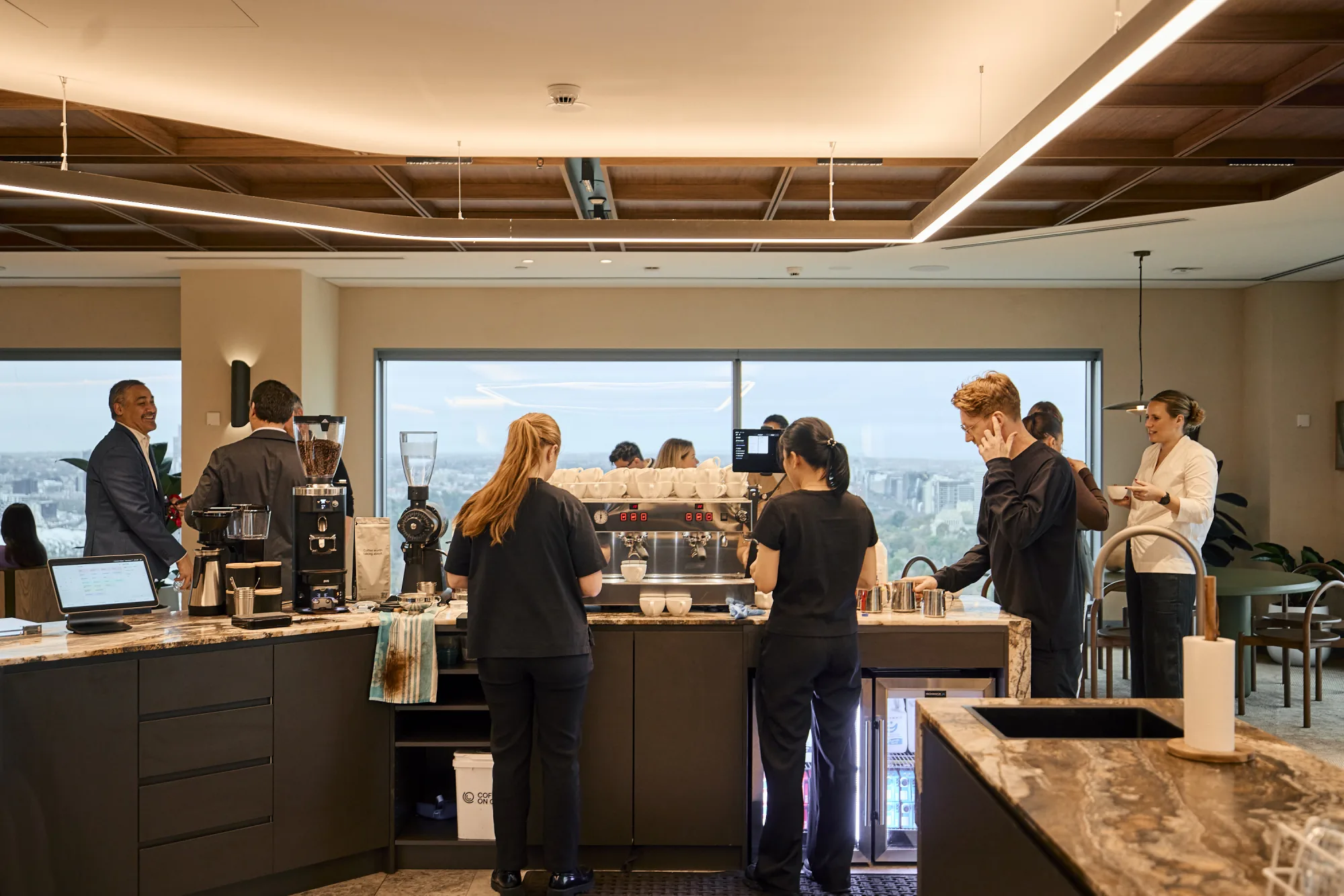
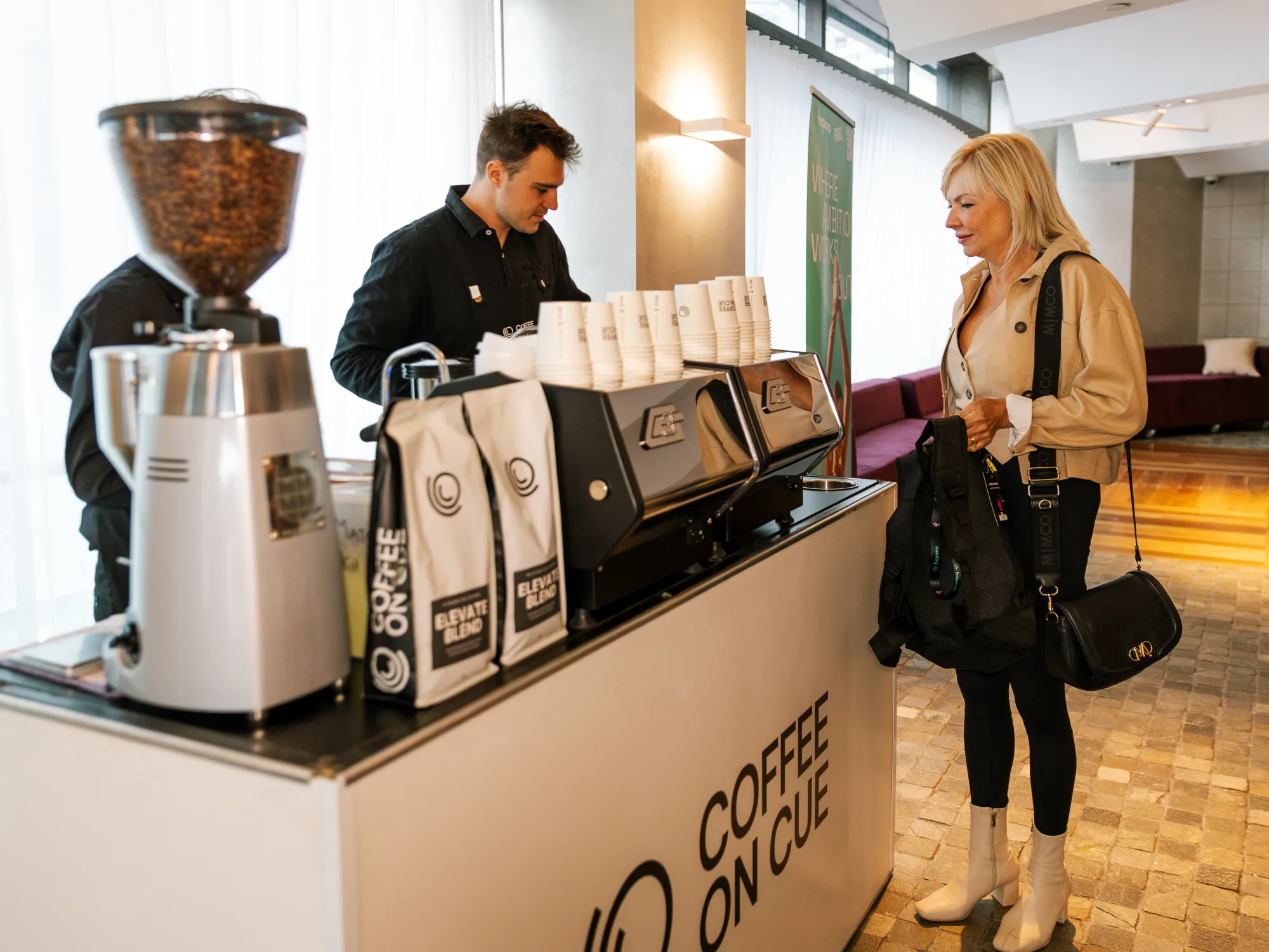
A ping pong table says less about a workplace than most companies think it does. Meaningful benefits, mental health support, genuine flexibility, tangible investment in career growth, do more to signal that a company means what it says than a novelty perk ever will. That said, a well-run in-house barista service sits in a different category: done properly, it becomes daily, visible infrastructure rather than a one-off gesture.
Distinguish the essential from the optional
Some benefits are close to expected now, and skipping them reads as a company falling behind rather than keeping costs lean. Others are genuinely optional and differentiate a package rather than define its floor. Knowing which is which for your industry and your candidate pool keeps the budget focused on what actually moves a decision.
Communicate what you offer, clearly
A strong benefits package that nobody knows about does no work. Benchmark against comparable employers, communicate the package clearly during recruitment rather than burying it in a PDF, and keep gathering feedback so the offering evolves with what the team actually needs. Employee testimonials in job postings do more to convey a real benefit than a bullet list ever will.
The takeaway
Attracting people with benefits is no longer just about matching salary. A package built around genuine, substantive support, communicated clearly and tailored to your actual workforce, is what turns a competitive offer into one people choose without hesitation.