A positive workplace culture is not a perk you add on top of the job. It is the accumulation of everyday interactions, whether people feel safe to speak up, whether effort gets noticed, whether the space itself signals that the company actually cares. None of that comes from a mission statement. It comes from what actually happens day to day.
Here is where to start.
Establish values that are actually lived, not printed
Core values only mean something if they show up in how decisions get made, not just on a wall in reception. Keep them concise and genuinely aligned with how the company wants to operate, respect, honesty, collaboration, whatever they are, and let them guide real choices, especially the difficult ones. Values that only surface in a slide deck are worse than no values at all, because everyone notices the gap.
Make communication genuinely open
Trust is built through the ordinary stuff: regular check-ins, real channels for feedback, and a culture where raising a concern does not carry a cost. Transparency has to run in both directions. A team that feels heard behaves very differently to one that has learned that feedback goes nowhere.
Take diversity and inclusion seriously, not symbolically
A workplace where people feel they can bring their actual selves to work sees the benefit directly, in engagement, in retention, and in the range of ideas that show up in a room. That means real initiatives, not just a statement: training, clear pathways, and genuine representation in how decisions get made.
Give people a reason to actually gather
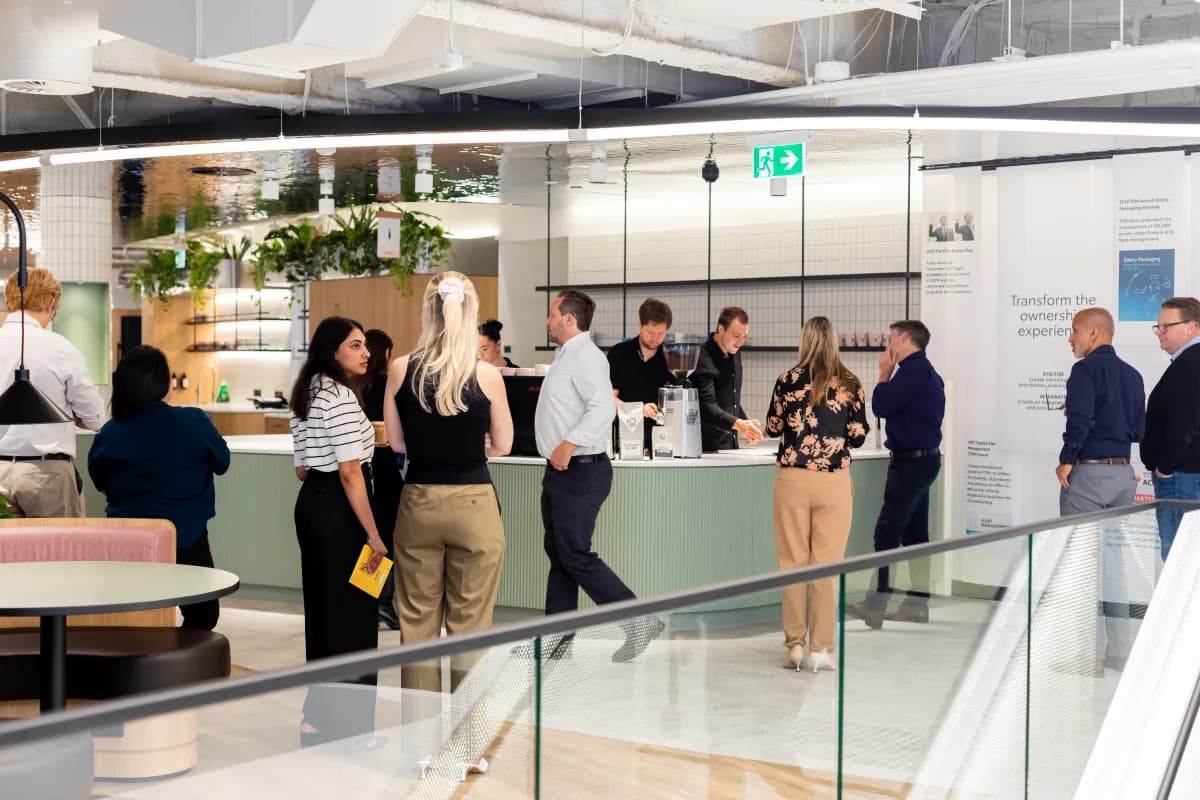
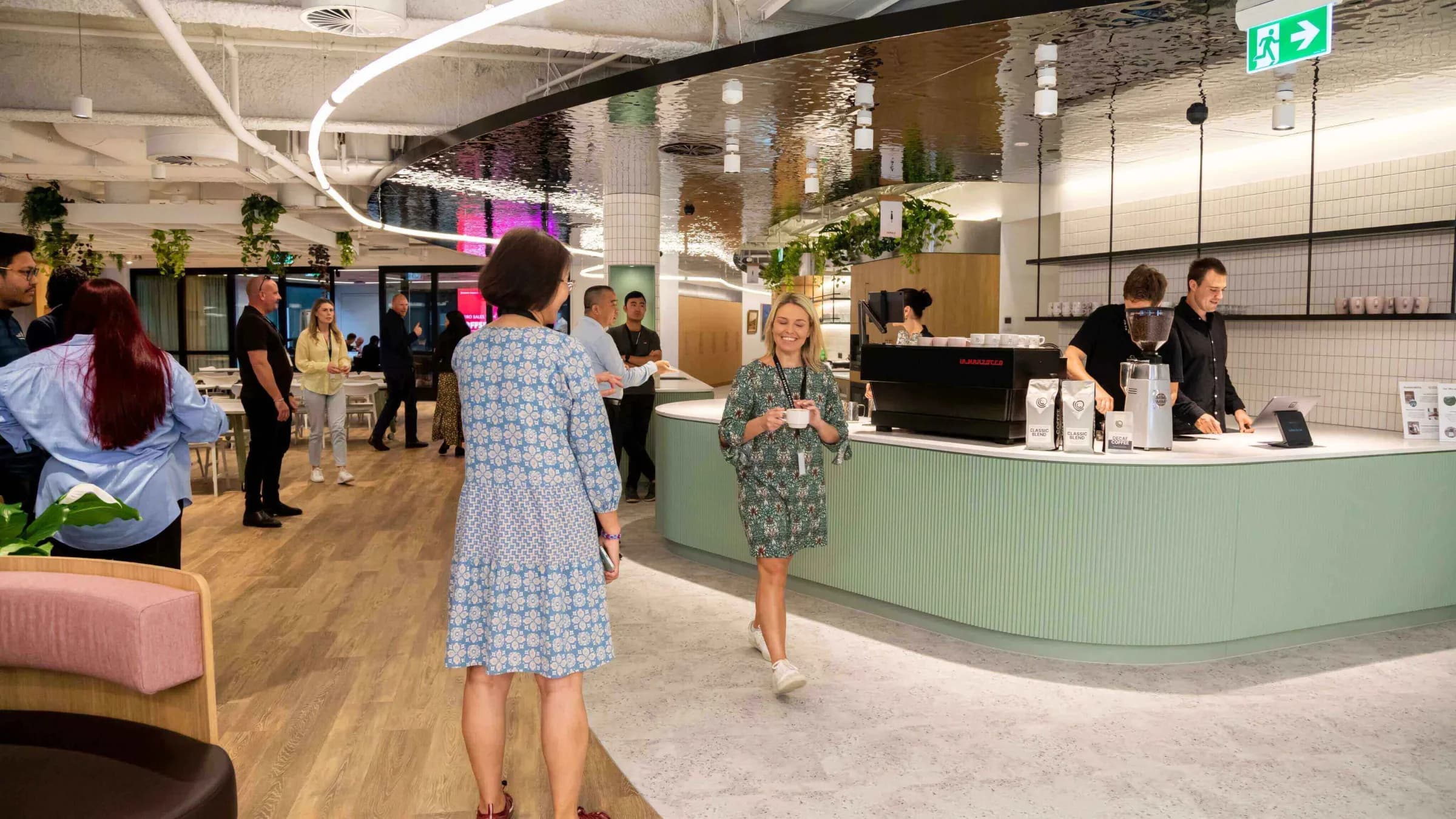
Casual spaces do real work that formal meetings cannot. An in-house coffee bar, done well, becomes the place where people from different teams naturally cross paths, mentorships start almost by accident, and ideas get tested in conversation before they ever reach a whiteboard. It is a small piece of infrastructure that punches well above its cost.
Round out the physical environment
Coffee is one piece, not the whole picture. Flexible workspaces that support both focus and collaboration, a wellness room or quiet space to recharge, decent natural light and ergonomic furniture, these all compound. None of them individually transforms a culture, but together they remove the small daily frictions that quietly wear people down.
Make collaboration something the culture rewards
Recognise team wins as deliberately as individual ones, and create real opportunities for people to work across boundaries rather than only within their own team. A culture of mutual respect does not happen by accident, it gets built through what leadership consistently chooses to notice and reward.
The takeaway
A positive work culture is not one big initiative, it is a series of small, consistent choices: values that hold up under pressure, communication that actually flows, a physical space that invites people in, and leadership that notices the effort. Start with the environment you control directly, and the culture tends to follow.