A conference is every corporate event decision, multiplied. More sessions, more speakers, more logistics, more ways for something to go sideways. None of that means it needs to feel overwhelming. It means the sequence you plan in matters more than usual.
Understand your audience and your goal first
Before booking anything, know who is actually attending and what they need from the day. Networking, education, brand building, or some mix of all three: your goal shapes everything from venue to speaker selection to format. Get this settled before a single logistical decision gets made.
Build the team and the plan
Form a real organising team with clear ownership of logistics, marketing and content, rather than one person trying to hold all three. Choose a theme that genuinely aligns with your audience's interests, not just whatever feels current. Decide the format, in-person, virtual or hybrid, since each carries different technical and logistical requirements. Build a realistic budget covering venue, catering, technology and speaker fees, with a genuine buffer for the unexpected.
Choose the venue carefully
Accessibility, parking, AV capability and enough breakout space for your guest count all matter more at conference scale than at a smaller event. The right venue reduces friction on the day in ways guests notice even when they can't name what went smoothly.
Get the speaker lineup right
Speakers make or break a conference more than almost any other choice. Look for genuine expertise and the ability to actually engage a room, not just a recognisable name. Mix formats, panels, workshops, keynotes, to keep energy up across a full day rather than one long block of presentations.
Design for genuine engagement
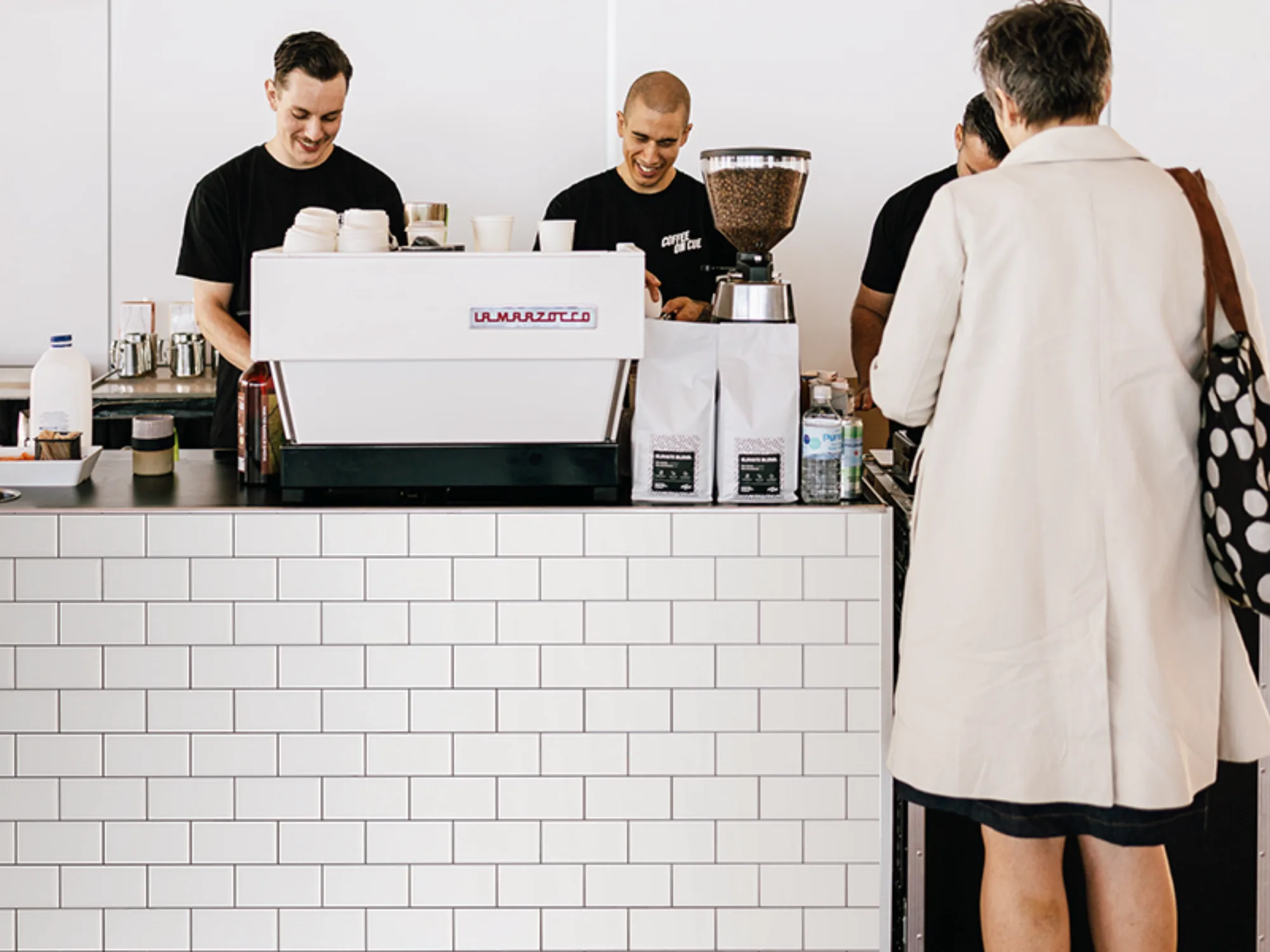
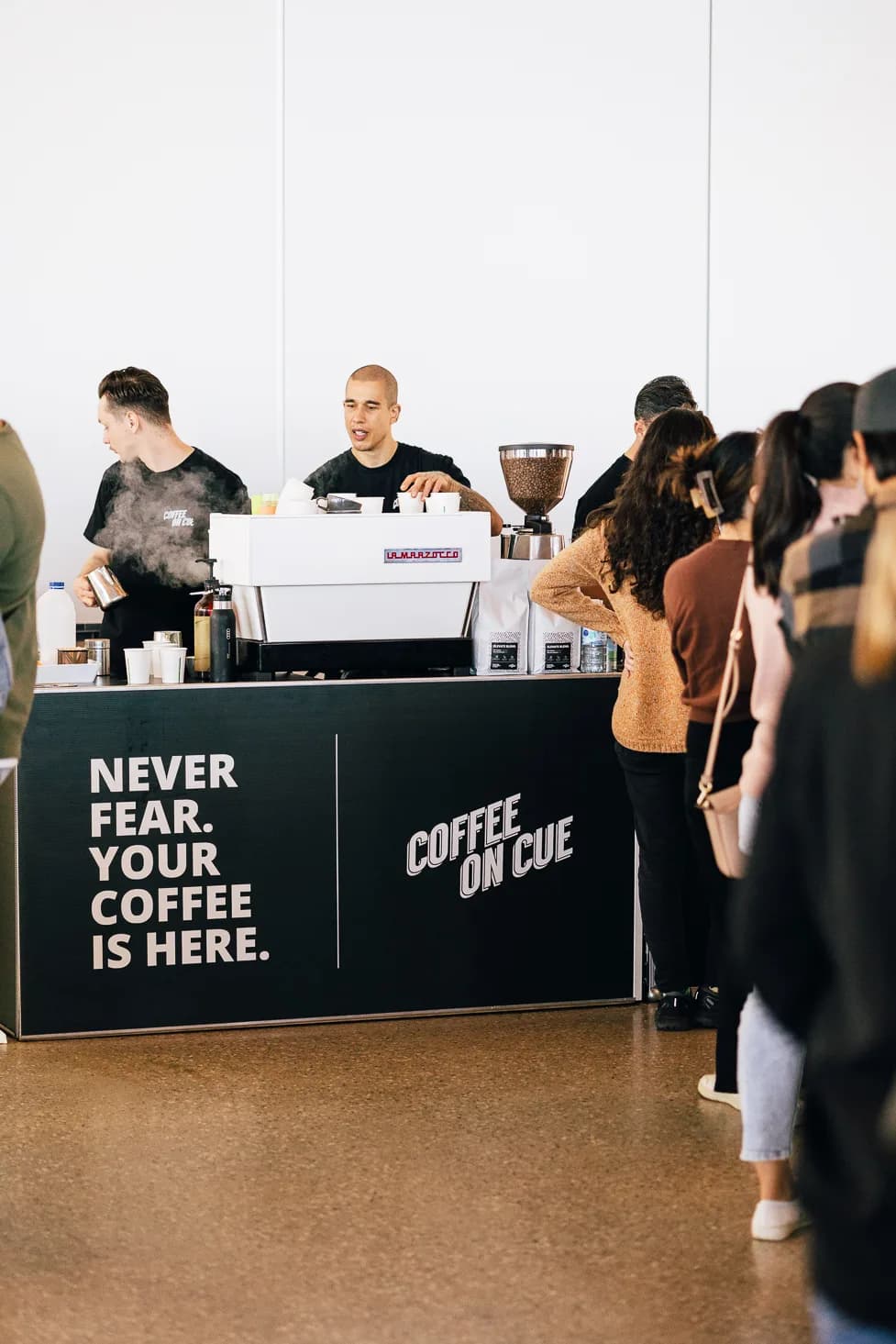
Q&As, live polls and discussion rooms keep a conference from feeling like a lecture series. Dedicated networking time, scheduled deliberately rather than squeezed into gaps, is where a meaningful share of the real value happens. Coffee breaks are not downtime to minimise, they are where conversations that matter actually take place.
Promote with enough lead time
A clear, well-designed event website is the hub everything else points back to. Start promotion early and use the channels your specific audience actually pays attention to. Secure sponsors whose values genuinely fit the event, and give them real visibility in return, not just a logo on a slide.
Build in genuine accessibility
Closed captions, interpreters where relevant, step-free access and sensory-friendly spaces are not optional extras at conference scale. A conference that welcomes a genuinely diverse range of attendees is a better conference, and it is worth planning for from the start, not retrofitting once someone raises it.
Evaluate and follow through
Surveys, focus groups or direct interviews all surface what worked and what did not. Share recordings with attendees who could not make every session. Send genuine thanks to attendees, sponsors and speakers. What you learn here shapes a stronger conference next time.
The takeaway
Hosting a conference is planning at a bigger scale, not a fundamentally different kind of planning. Get the audience and goal clear first, build a real team around it, and treat the details, speakers, technology, breaks, as seriously as the headline decisions. The scale is what makes the sequence matter.