Filter coffee and espresso can start from the exact same beans and end up tasting like different drinks entirely. The reason isn't the coffee, it's pressure, and pressure changes almost everything downstream of it: grind, ratio, time, body and strength.
The core difference
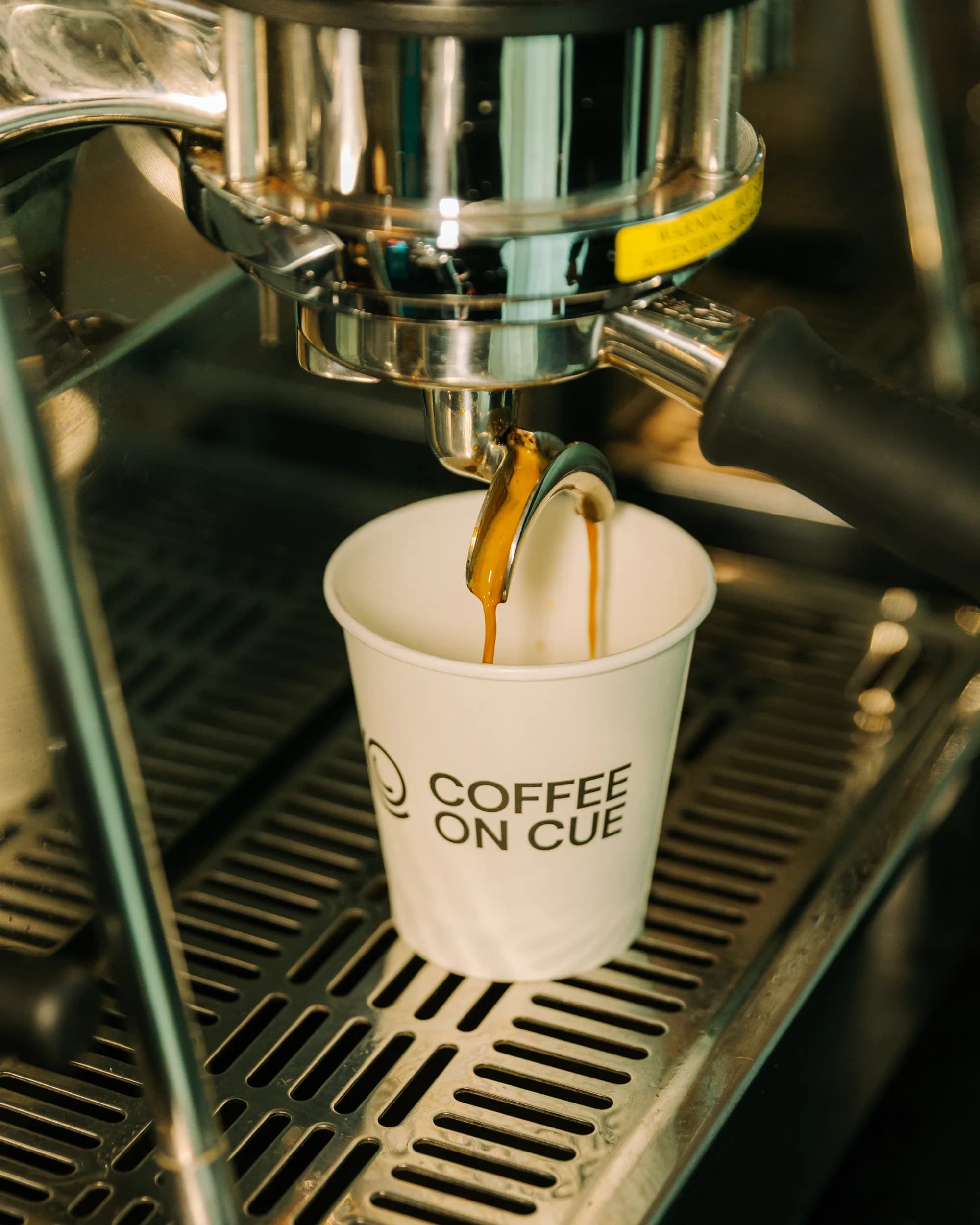
Espresso forces hot water through finely ground coffee under roughly 9 bars of pressure, extracting a small, concentrated shot in around 25 to 30 seconds. The pressure pulls oils and fine particulates through that gravity-fed methods never touch, producing crema and a much heavier body.
Filter coffee relies on gravity alone, water passing slowly through a coarser grind over several minutes. No crema, no pressure-extracted body, but a cleaner cup that shows more of a coffee's subtler characteristics.
Where the numbers actually differ
Grind: espresso needs a fine grind, close to table salt, to build enough resistance for the pressure to work against. Filter needs a coarser grind, closer to sea salt, so water can pass through at a reasonable rate without pressure behind it.
Ratio: espresso typically runs 1:2, one part coffee to two parts water by weight. Filter runs far more diluted, typically 1:15 to 1:17.
Time: espresso extracts in 25 to 30 seconds under pressure. Filter takes 3 to 4 minutes without it.
Body: espresso is thick and syrupy, filter is comparatively light and clean.
Choosing beans for each method
Darker roasts with heavier, chocolatey notes tend to suit espresso well, that body and richness translates cleanly into a shot. Lighter roasts with pronounced fruit or floral character often show better through filter, where there's less body masking the subtler notes.
Neither rule is absolute. Plenty of light roasts make excellent espresso, and plenty of dark roasts make a genuinely good filter brew. It's worth trying both with any coffee you like rather than assuming one method suits it in advance.
The equipment gap
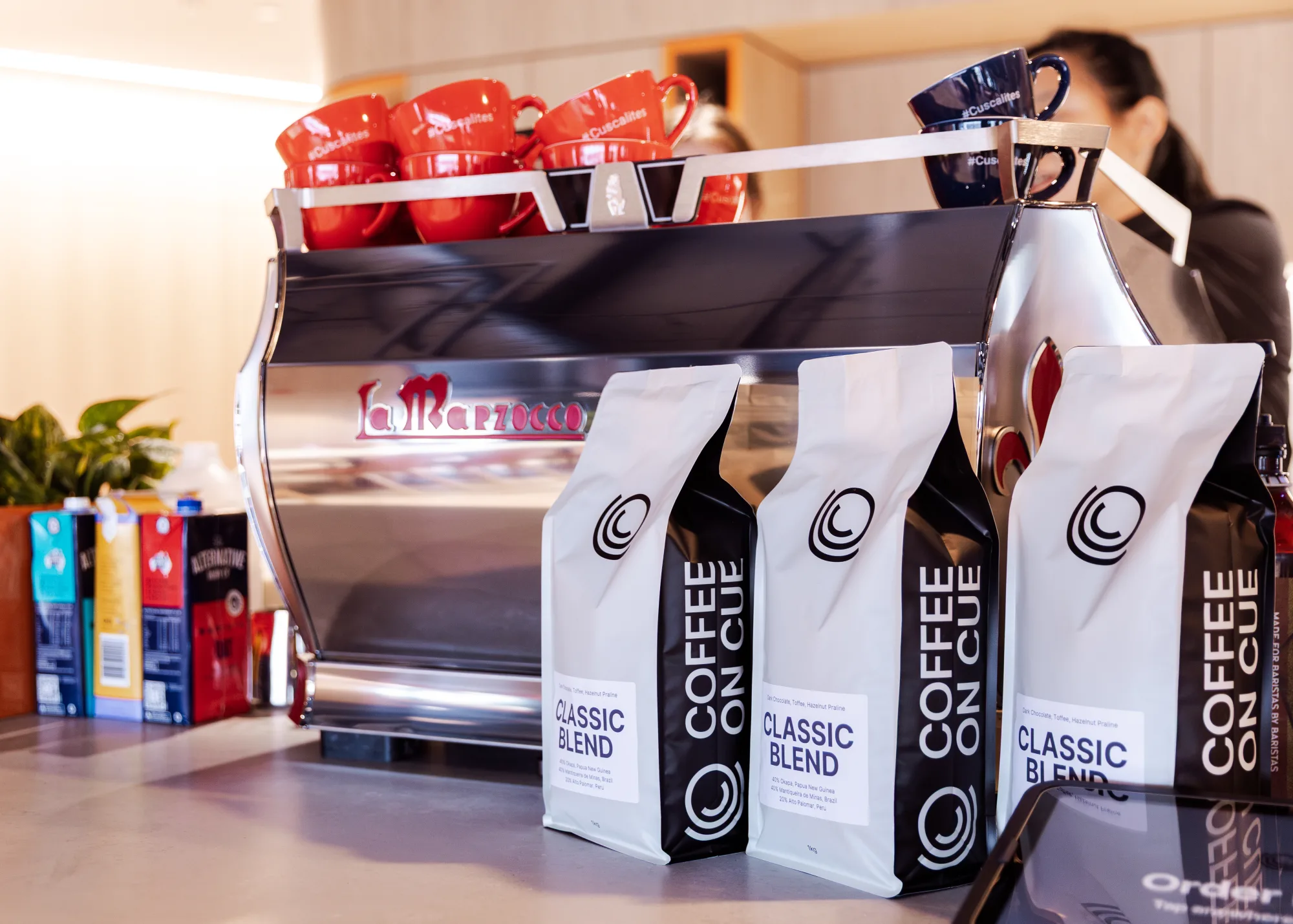
Espresso needs a dedicated machine capable of generating consistent pressure, a proper grinder and some practice to dial in. Filter needs comparatively little: a dripper or plunger, a kettle, and a grinder, which makes it the easier and cheaper starting point for exploring specialty coffee.
The takeaway
Neither method is objectively better, they're genuinely different drinks built from the same starting point. Pressure is the one variable that explains almost everything else that follows: grind, ratio, time and the character of the cup you end up with.