A dinner for 30 executives can do more for a business than a conference for 300. It sounds backwards, but it is reshaping how a lot of companies think about corporate events. We've catered over 15,000 events, and the shift toward smaller, more intimate gatherings is one of the clearest trends we see in the bookings coming through.
What a micro-event actually is
Think intimate rather than scaled-down: 20 to 80 people, usually. Executive dinners, invite-only workshops, board meetings, exclusive networking sessions. These are not miniature conferences. They are a genuinely different kind of event, built around real connection rather than reach.
Why every detail gets magnified
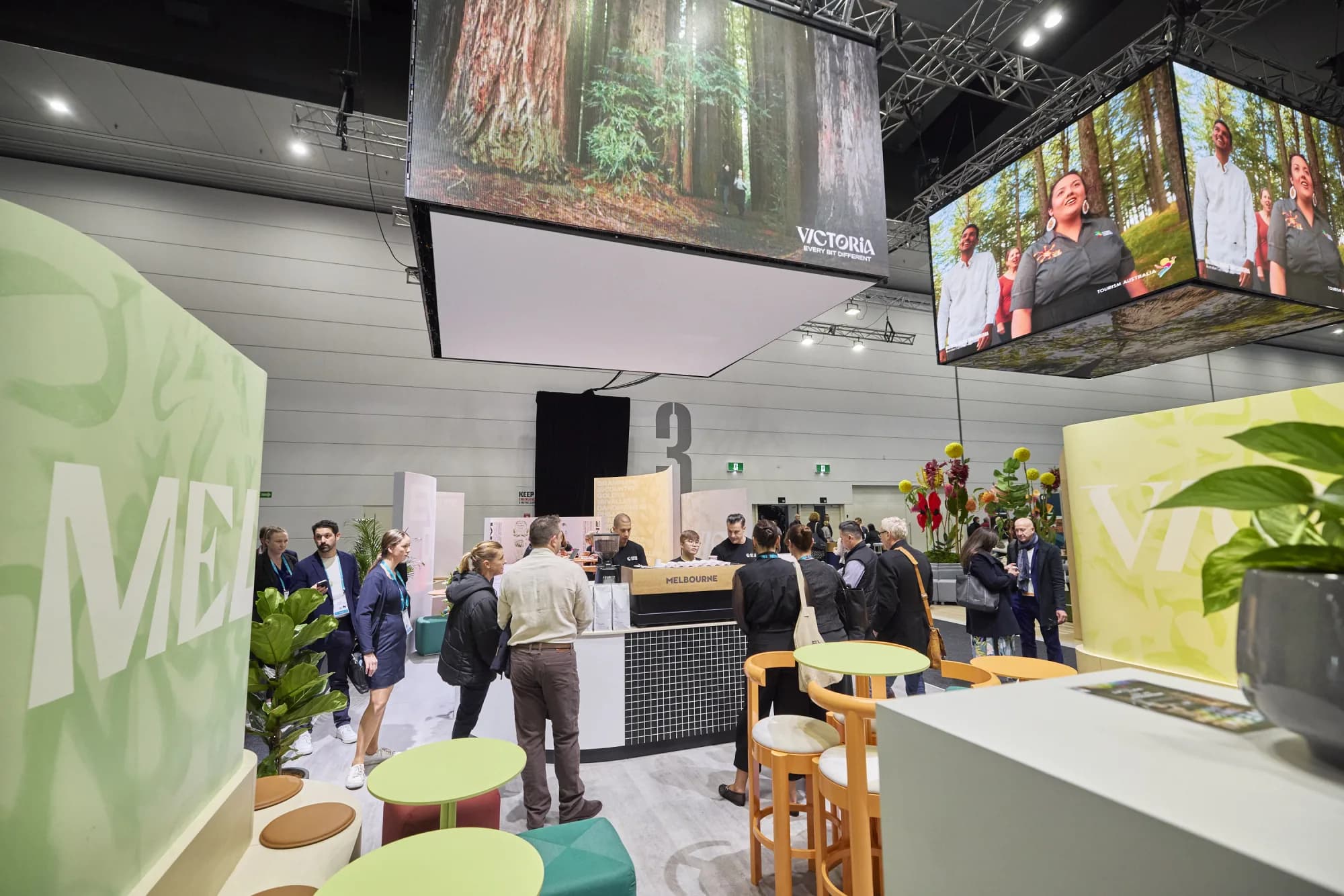
Here is the thing most planning advice misses: a self-serve urn at a 500-person expo goes unnoticed. The same setup at a 30-person executive dinner does not. Every touchpoint gets amplified at this scale, for better or worse. Serve something forgettable and it becomes the thing people remember about the event. Serve something genuinely good and it becomes the talking point.
This magnification effect shows up everywhere, not just in food and drink. A generic convention centre feels cold at 30 people in a way it never does at 500. Name tags work fine for a large crowd; at 30, people notice when you remembered their dietary needs and referenced their actual role. Big presentations let people zone out. Small formats demand real participation, and every voice in the room actually gets heard.
What to get right when you plan one
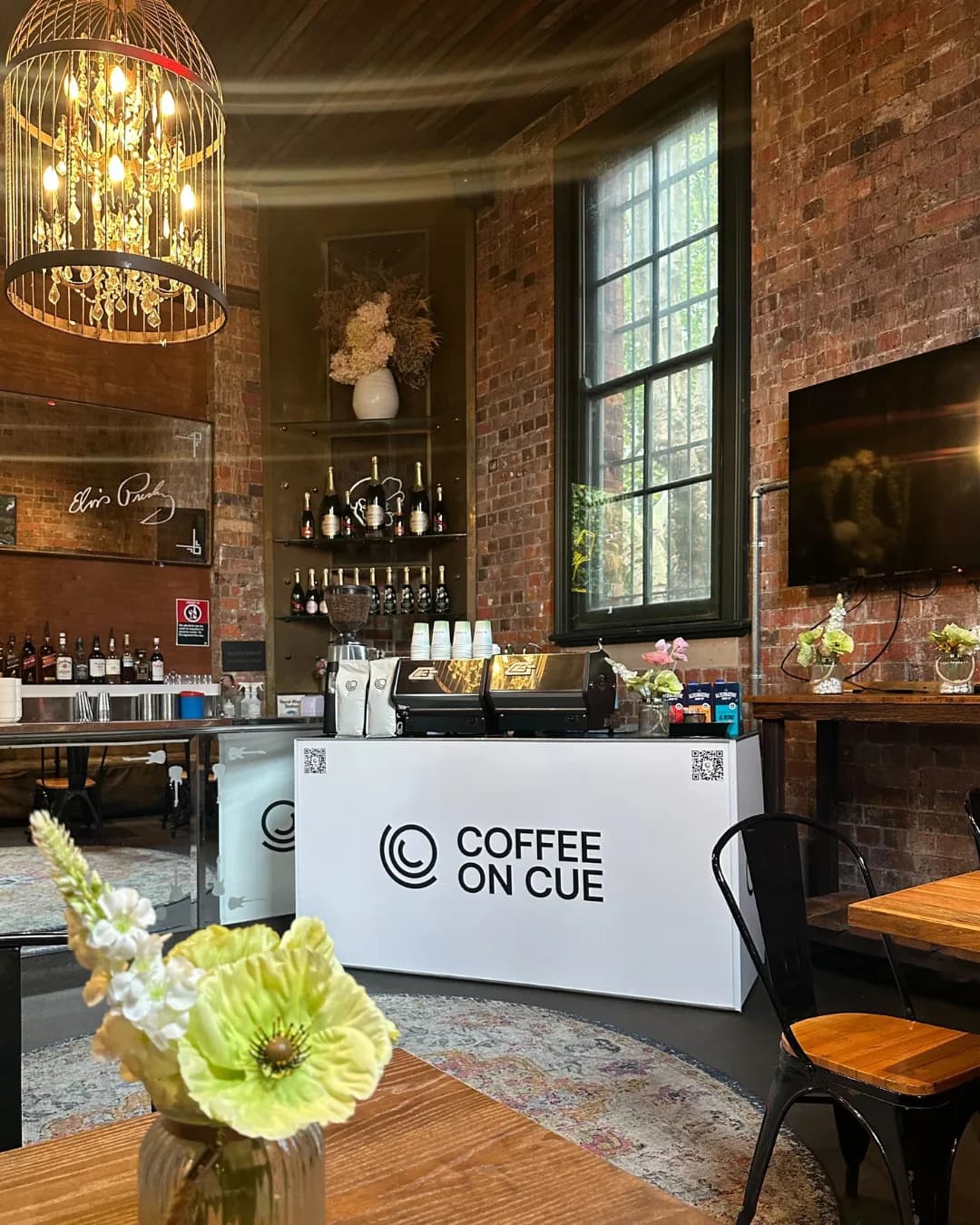
Choose a venue that sparks connection, not just holds people. Private dining rooms, boutique spaces and executive lounges create the kind of dialogue a convention centre cannot. Look for good acoustics and a layout that supports different ways of interacting, not just rows facing a stage.
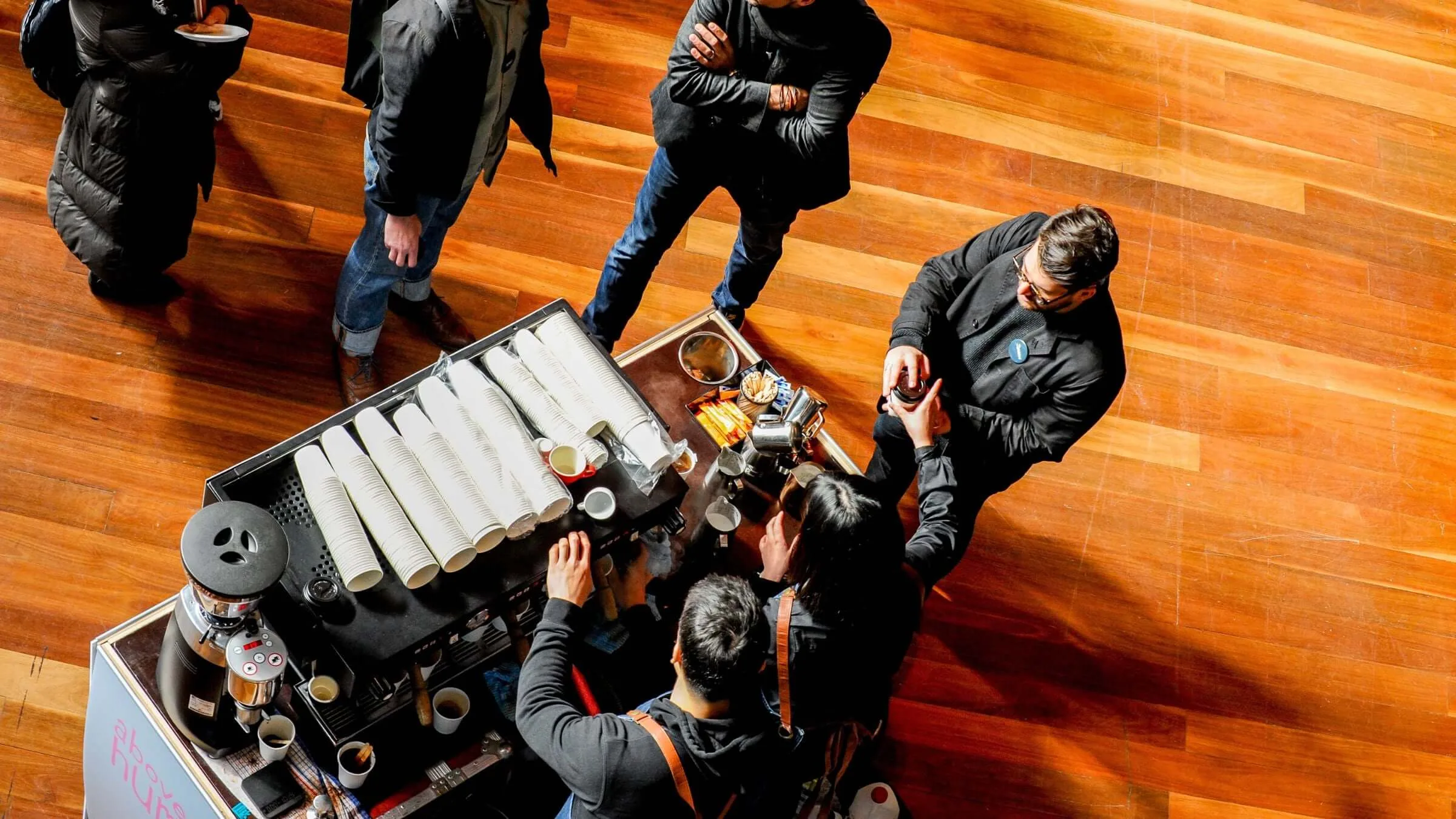
Make the food and drink the centrepiece, not the logistics. Build the menu around your actual guests rather than a generic crowd-pleaser. Choose a coffee cart hire experience that gives people something to talk about, a single-origin tasting or a barista-led moment, rather than defaulting to a generic station. Time refreshment breaks to re-energise the conversation, not just to fill a gap in the run sheet.
Design for moments people will actually remember. A welcome that feels personal rather than processed. A host greeting that shows you did your homework. Facilitated introductions between people with genuinely complementary interests. These small touches carry more weight at this scale than almost anywhere else in event planning.
Measure what you actually can at this size. Small events let you track things a 500-person expo never could: which specific relationships formed, what conversations led to a follow-up meeting, real qualitative feedback with context behind it. Use that, rather than trying to force large-event metrics onto a small-event format.
The takeaway
The shift toward micro-events is not about doing less. It is about recognising that a smaller room magnifies every choice you make, and planning accordingly. Get the venue, the hospitality and the small personal touches right, and a 30-person dinner can do more for a business relationship than a conference ten times its size.