Coffee shops run on a real shorthand, developed for good practical reasons: it keeps orders moving fast during a rush, coordinates a team without shouting details across the counter, and lets staff communicate about problems without alarming customers. None of it is secret exactly, but it's rarely explained either.
Cracking the cup code
Most cafes mark cups with a quick shorthand rather than writing the full order out. Common conventions include:
- Decaf markers: X for no caffeine, ½ for half-caff
- Syrup shortcuts: V for vanilla, C for caramel, H for hazelnut
- Milk types: B for breve, A for almond, S for soy
- Temperature: K for kid-safe, XH for extra hot
An order like "XL+1" simply means an extra-large drink with one extra espresso shot, not code for anything more mysterious than that.
Behind-the-counter phrases
Cafes often develop their own internal shorthand too, phrases for routine hiccups that keep the mood light and the customer unaware anything's happening: a supply running low, a piece of equipment needing attention, a grinder due for a quick clean. Every cafe's specific phrases differ, but the instinct behind them, communicate a problem without alarming the room, is fairly universal.
Terms worth knowing
Australian coffee culture specifically has its own vocabulary: flat white, piccolo, magic, long black, all genuinely Australian or Australian-popularised terms that can be unfamiliar to visitors from elsewhere.
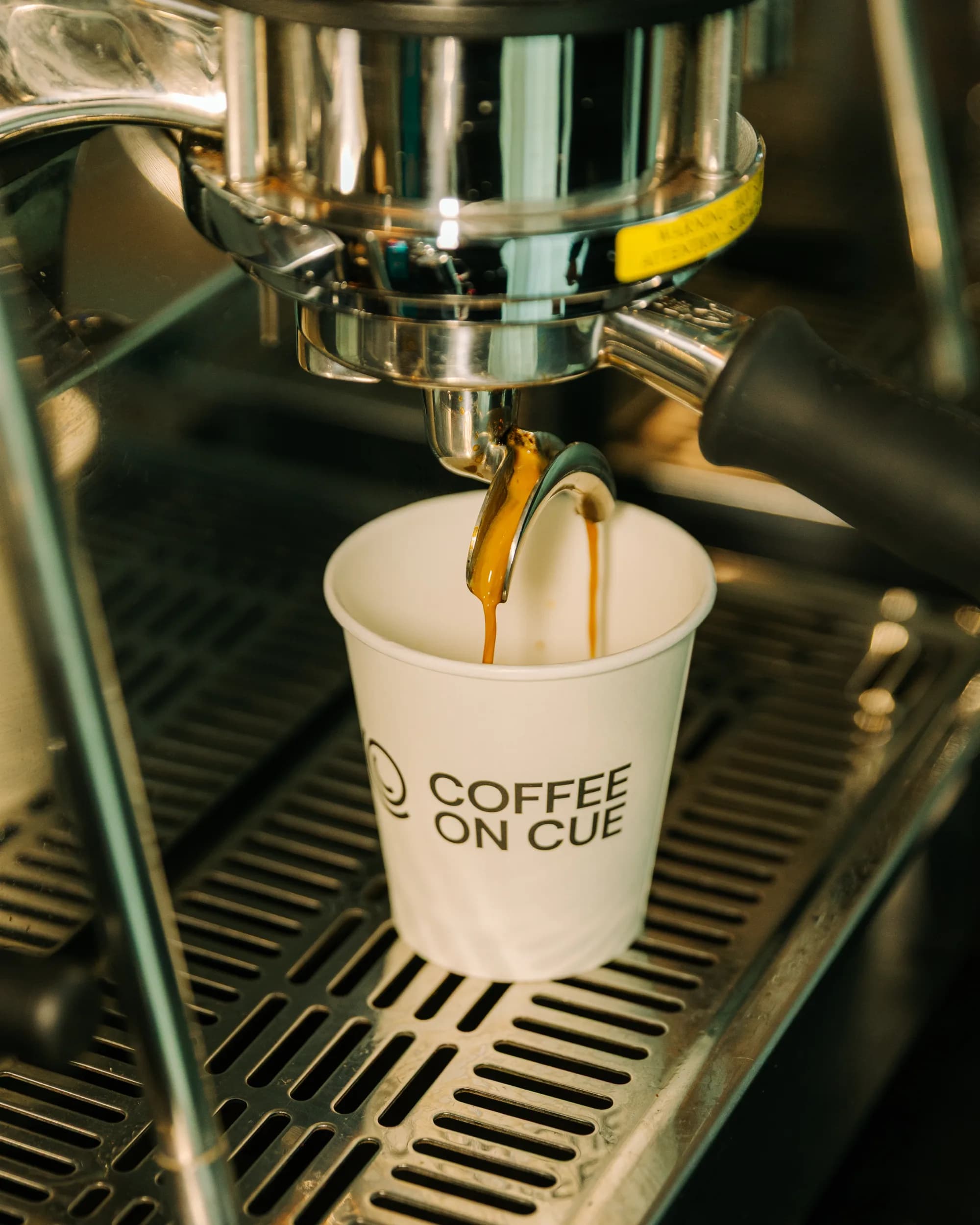
Professional terms worth knowing if you want to talk shop with a barista: "dialling in" means adjusting grind and dose until a shot tastes right, "channelling" describes water finding an uneven path through the coffee bed rather than extracting evenly, and "crema" is the caramel- coloured layer on top of a well-pulled shot.
Why it's worth knowing a bit of this
Understanding even a handful of these terms makes ordering easier and, if you're curious, opens up a genuinely more interesting conversation with whoever's behind the machine. Specialty coffee can feel intimidating from the outside precisely because of unfamiliar language, and a little familiarity closes that gap quickly.
The takeaway
None of this is gatekeeping, it's a practical shorthand that developed for real operational reasons. Knowing a bit of it makes ordering smoother and turns the counter from something slightly opaque into somewhere you can actually have a conversation.