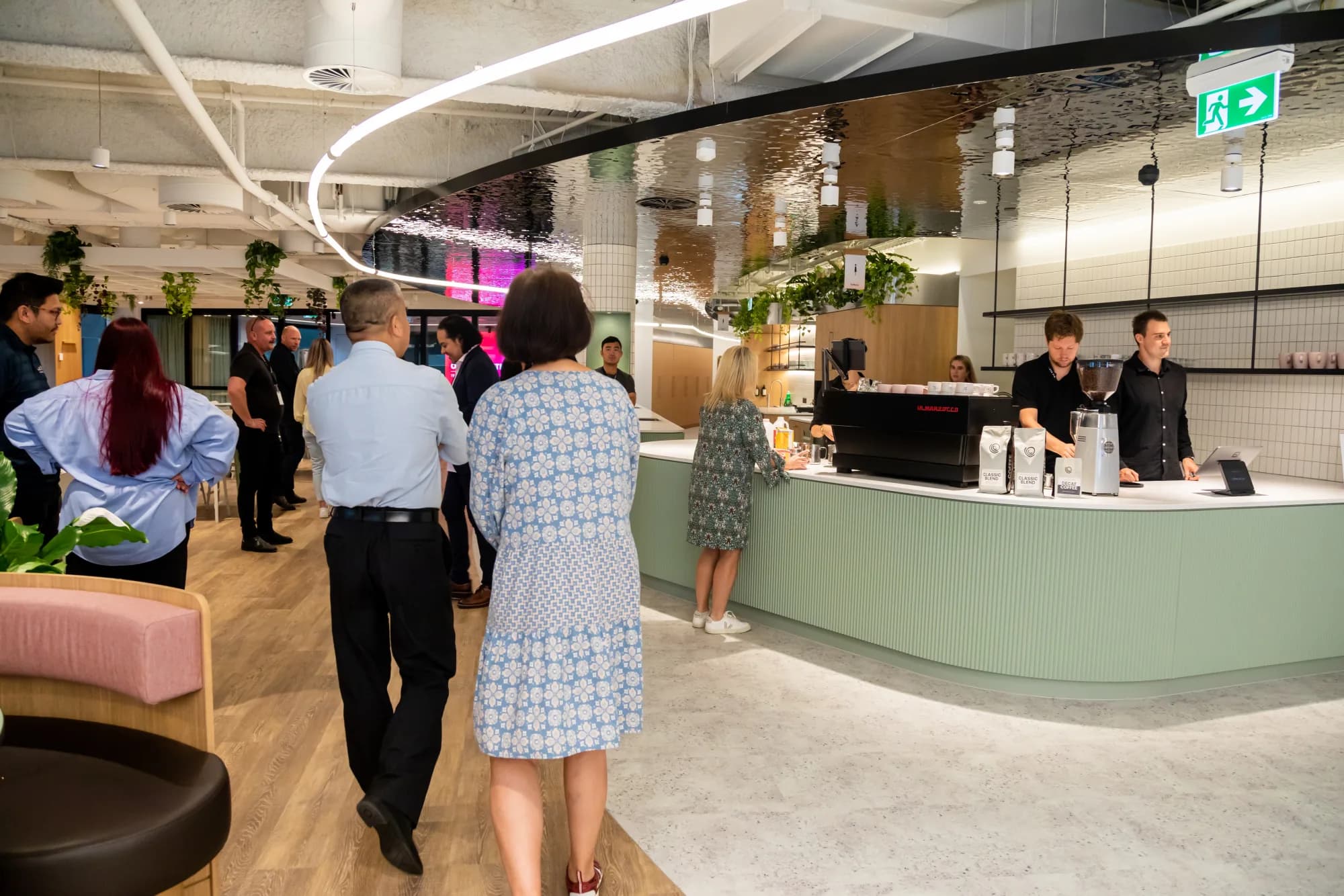
Danny Meyer's Setting the Table is one of the best hospitality books I know. It asks a simple question: how do you set the standard for excellence in any environment?
One idea from it has stayed with me. Give your frontline crew real authority, and a guest having a bad day can have it turned around right there and then, without waiting on anyone.
The Ritz-Carlton is the example most people point to. Here is what it teaches, and how we apply it.
The Ritz-Carlton's $2,000 rule
The Ritz-Carlton's widely cited policy let employees spend up to US$2,000 per guest, per incident, to resolve a problem without manager approval. The policy is associated with Horst Schulze, a founding executive of the Ritz-Carlton Hotel Company, and Harvard Business Review has written about it as 'The Ritz-Carlton's $2,000 Rule'.
It is worth being clear about what it is. It is authority for service recovery, not a general spending allowance. It sat inside the Ritz-Carlton Gold Standards, which give crew a shared philosophy to act on.
Why waiting on a manager costs you
When a guest has a problem, every minute spent finding someone to approve a fix makes it feel bigger. The person who noticed the issue is usually the one best placed to solve it.
Giving your frontline crew the authority to decide cuts out a lot of needless back and forth. The guest feels heard, and the crew member feels trusted.
Meyer's bigger idea
The Ritz-Carlton example is about frontline authority. Meyer's idea is broader. Danny Meyer founded Union Square Hospitality Group and set out his 'Enlightened Hospitality' philosophy in Setting the Table. Union Square Hospitality Group describes it as putting employees first, then guests, community, suppliers and investors.
So the lesson is not a dollar figure. It is a culture where people are looked after, and so they look after others.
Why it matters for Australian teams
Recruitment is hard across the sector. Jobs and Skills Australia material citing Australian Hotels Association evidence reported ABS vacancies of 38,700 in Accommodation and Food Services in February 2025, up from 35,100 a year earlier.
Those figures show unfilled roles, not a turnover rate. Still, when good people are hard to find, trusting and equipping the ones you have matters even more.
How we apply it at Coffee on Cue
I believe every interaction with a guest should carry real hospitality, whether it is sales, operations, administration or serving on the floor at the cart. It matters so much to us that I made it one of our values: hospitality always.
If you want to try this in your own workplace, start small. Write down the three most common things that go wrong for your guests or colleagues, and decide in advance what any team member is allowed to do to fix each one. If you are weighing up workplace coffee, our workplace coffee service is built around the same thinking.